
What the research says, and what it does not.

Breathwork is thought of as esoteric and often sold with big promises.
Here is the evidence about what I teach, with the links to the studies.
What breathwork does
What the evidence does not show (yet)
Most studies are small, short and in healthy adults. But more and more studies are currently underway to determine the effects on productivity and performance.
Different techniques have different effects. Results for one method do not automatically apply to another.
Breathwork is not a treatment for anxiety disorders, depression, high blood pressure or any other medical condition. If you have one, speak to your doctor.
Intro to SOMA Breath®
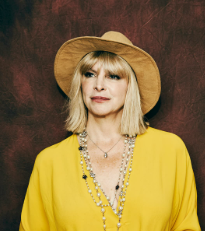
Marisa Peer
Founder of Rapid Transformational Therapy® (RTT) SOMA Breath® is the gold standard for breathwork, I recommend this to all my RTT therapists.
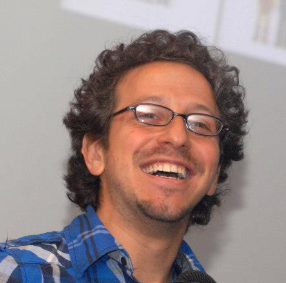
Dr Tristan Bekinschtein
Master in Neurophysiology and PhD in neuroscience
“We chose to collaborate with SOMA due to its very clear and systematic approach, and the effectiveness of the method as per clear reports from those participating and the researchers coordinating the study.”
Vishen Lakhiani
“The breathwork modality I do is SOMA Breath®. It’s really cool as they incorporate incredible music into it. It’s the best alternative to the impact your can get from plant medicines today, but safer and more effective.”
CEO of Mindvalley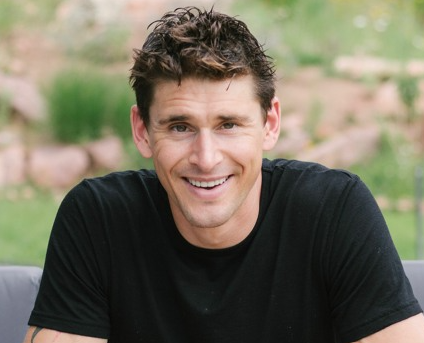
Ben Greenfield
“I can personally say that regularly practising SOMA breathing techniques has dramatically increased my physical health, mental and emotional wellbeing, spiritual connection, and because I’ve been able to incorporate my boys and Jessa into many of my SOMA Sessions, even the relationship with my family.”
New York Times Bestselling AuthorWhy I use SOMA Breath®
-
SOMA Breath® is a complete holistic system – the only breathwork school with peer-reviewed research with the University of Cambridge – which uniquely combines ancient pranayamic breathwork techniques with modern music technology to deliver a cutting edge, step by step formula that anyone can learn.
-
SOMA Breath® is accredited by leading accreditation institutions:
Accredited Counselors, Coaches, Psychotherapists and Hypnotherapists ACCPH
Continuing Professional Development CPD Accreditation
SOMA Breath® is trusted by the leading wellness brands including: Mindvalley, Gaia, Shift, Well Good, Yoga Magazine, Zumba, Microsoft, OM Yoga, Health Radio and many other leading wellness brands.
-
Healing Trauma Doesn’t Have To Be Traumatic
Breathwork is well recognised for its ability to facilitate the healing of emotional trauma, however certain styles that rely on heavy and deep mouth breathing can trigger re-traumatisation. With SOMA Breath® we use proprietary techniques that achieve the same results but in a more blissful and soothing way, rather than painful catharsis.
-
Using special SOMA Breath® Entrainment music technology, invented by pioneers in therapeutic music medicine, you can entrain your breathing to be smooth and rhythmic throughout your day, helping to give you better health and wellbeing.
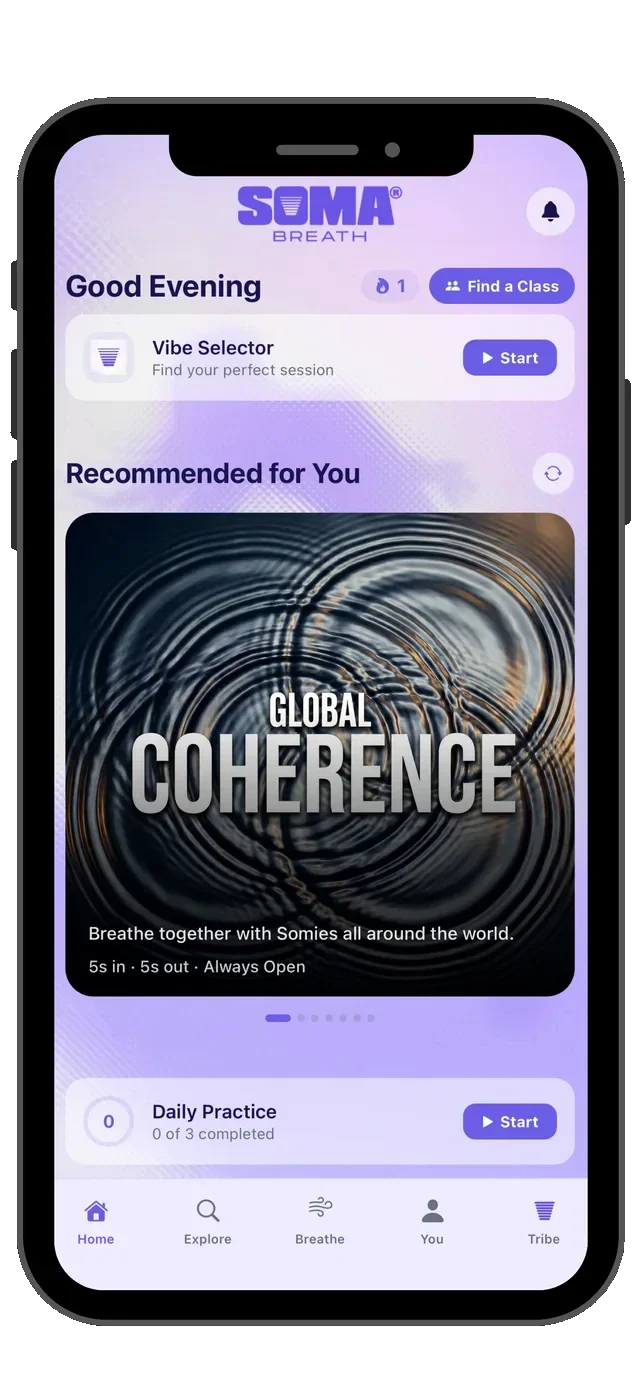
SOMA Breath® App
Breathwork set to music you actually crave.
Feel the shift in your very first session.
Free for 7 days.